ACEH TAMIANG — Amid the demands of daily activities, work, and various responsibilities, one important aspect is often overlooked: maintaining a healthy heart.
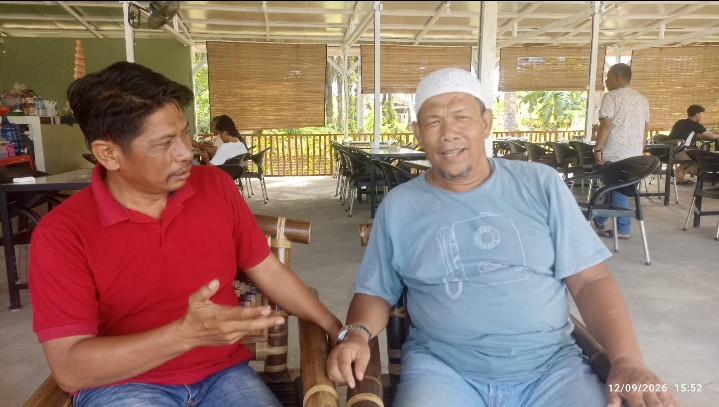
This issue became one of the main topics of discussion between Hendriko Lubis, Chairman of SWI (Sekber Wartawan Indonesia/Indonesian Journalists Union) and Chairman of PERKEMI (Persaudaraan Shorinji Kempo Indonesia) Aceh Tamiang, and sports observer Drs. Irfan Nur.
Their conversation went beyond discussing sports merely as physical activity. It touched on a much deeper issue—how to build public awareness that a healthy heart is a fundamental asset for living a productive and meaningful life.
According to Hendriko Lubis, sports should not only be viewed as an activity aimed at achieving victories or athletic achievements. More importantly, sports are an essential part of a healthy lifestyle.
“Sports are not only about winning and losing. What matters most is how we keep our bodies healthy, especially our hearts. When our health is compromised, many aspects of life can also come to a halt,” he said.
The discussion then turned to the importance of developing a culture of sports among the people of Aceh Tamiang. Simple activities such as walking, cycling, exercising, and other forms of physical activity can become an initial step toward maintaining fitness when practiced regularly and according to individual abilities.
Sports observer Drs. Irfan Nur emphasized that awareness of health should be developed from an early age. People should not wait until illness occurs before beginning to pay attention to their physical condition.
“The heart works continuously without ever asking us to stop. Therefore, we must also give it the attention it deserves. Exercise, a healthy diet, adequate rest, and regular health check-ups are all part of maintaining our quality of life,” he explained.
The message emerging from the discussion was simple yet profound: achievement means little without health.
An athlete needs a strong heart to pursue excellence. A worker needs a healthy body to fulfill their responsibilities. Parents need good health to remain present for their families. Society as a whole needs a healthy generation to contribute to the development of the region.
Therefore, sports should not only become visible when competitions or tournaments take place. Sports should become part of everyday life.
Hendriko Lubis also stressed that sports development in the region should go hand in hand with health education. In this way, the community will not only be encouraged to pursue athletic achievements but will also develop the awareness needed to protect their health from an early age.
The conversation ultimately led to one powerful message: do not wait for your heart to send a warning before you start caring for it.
Health is often taken for granted until it is lost—and only then do people realize how precious it truly is.
From the sports field to everyday life, protecting heart health means protecting the opportunity to continue working, serving the community, spending precious time with family, and pursuing dreams.
A healthy heart, a strong body, thriving sports—and a more productive society.
(SIPS)